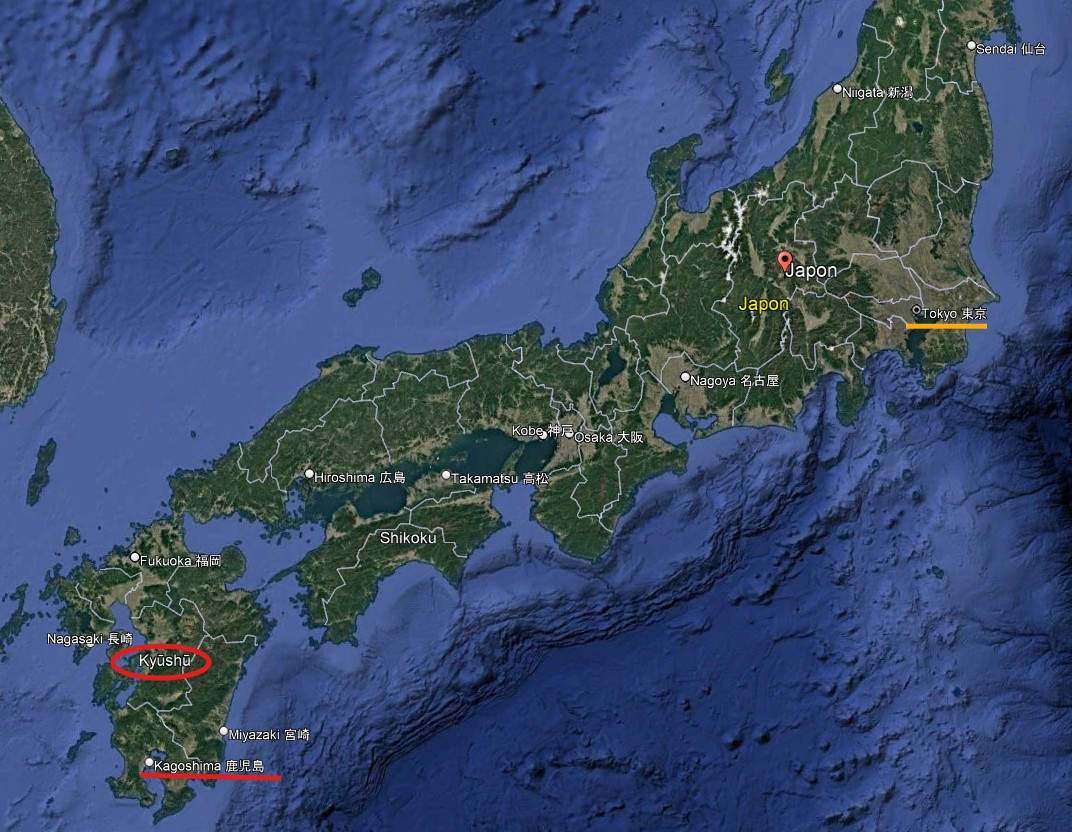
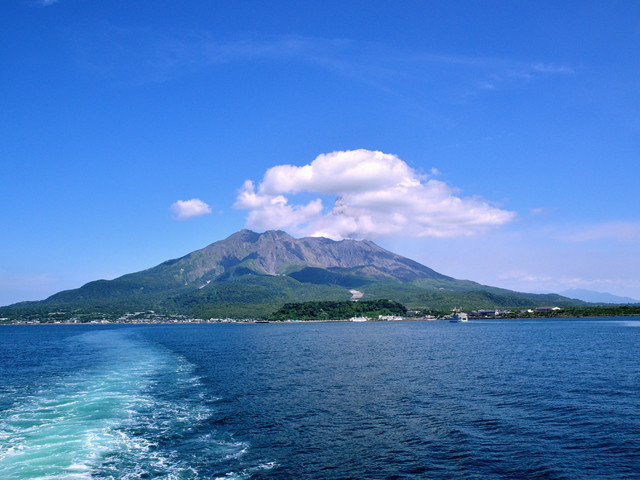
When it comes to excellent matcha, everything starts long before the cup. Quality is born in the soil, the air and the water, and above all in the producer's philosophy. At Monmatcha.ch, we have chosen to work with one single, rare Japanese farm, located in the south of the country, in Kagoshima on the island of Kyushu, where organic farming is not a marketing argument but a true way of life.
🏔️ A unique terroir: altitude, mist and a subtropical climate
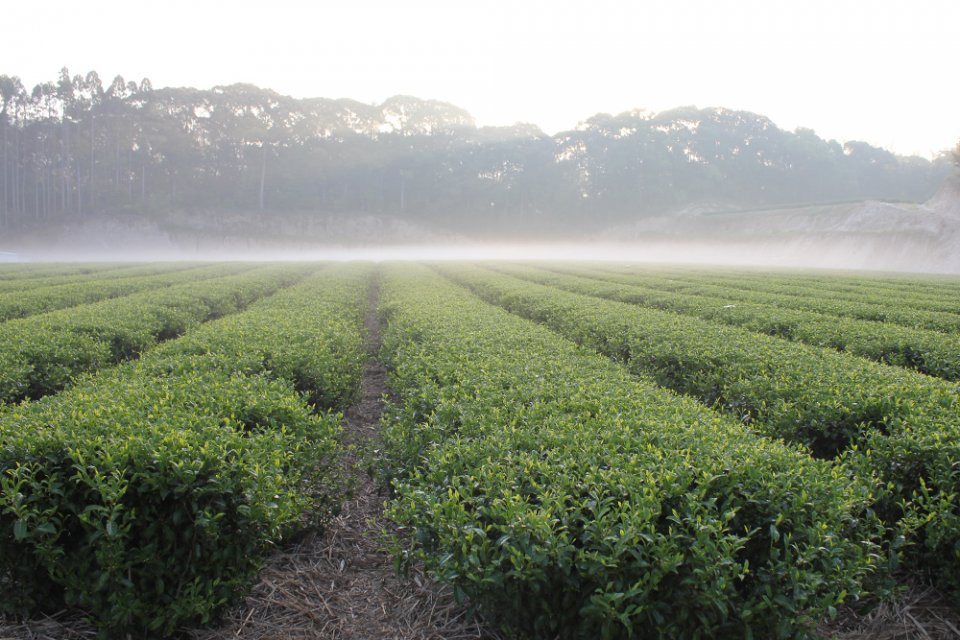
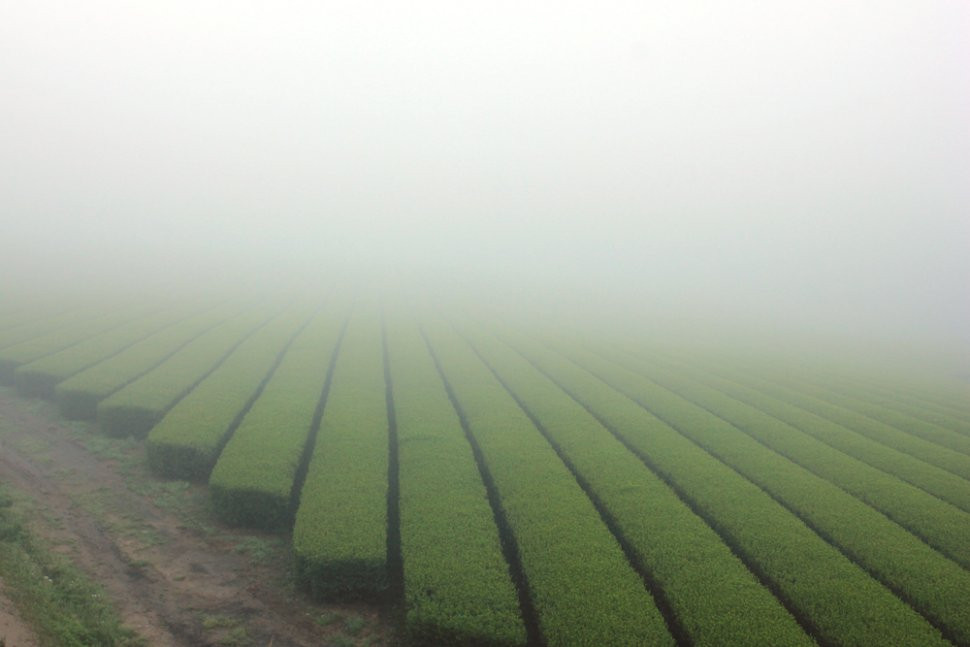
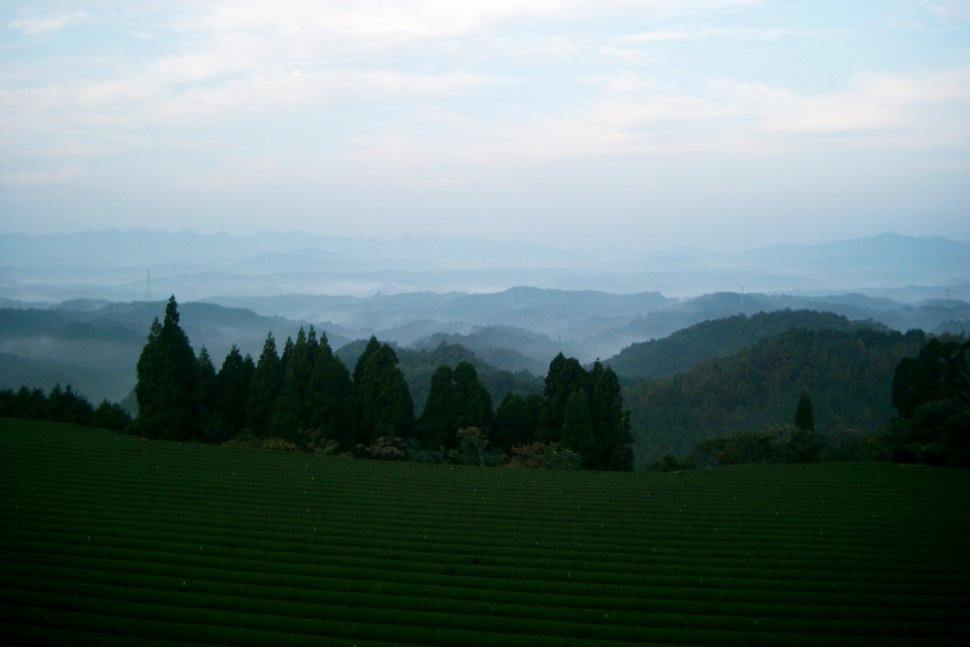
The farm lies at an altitude of about 500 metres, in a mountainous region where rapid changes in pressure create a natural mist that envelops the tea bushes. This mist acts as natural shading, protecting the leaves from direct sunlight and preserving their amino acids, the molecules responsible for sweetness and umami.
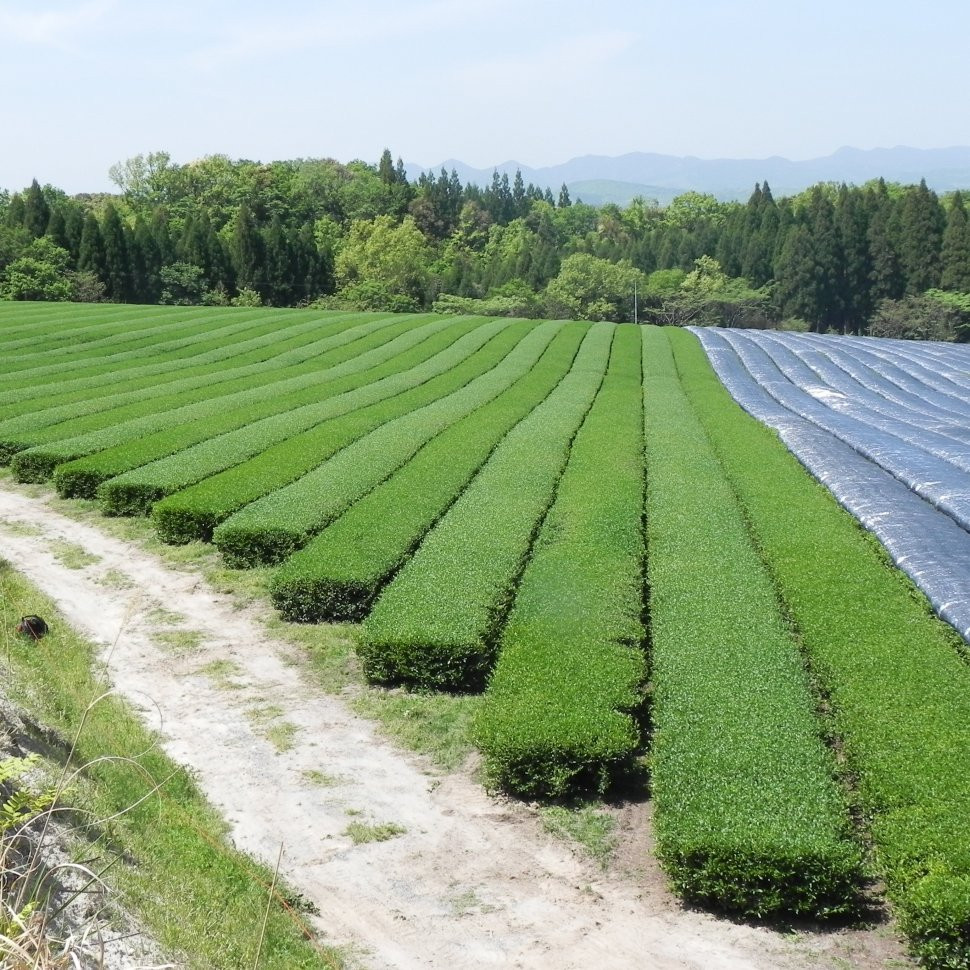
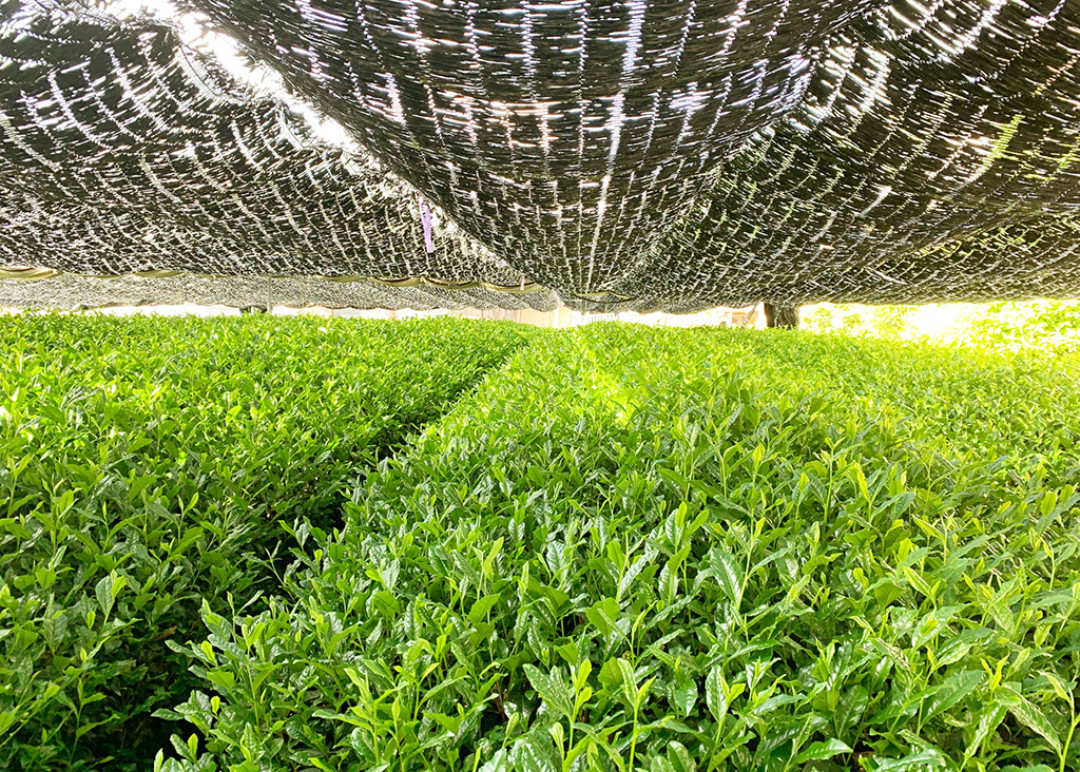
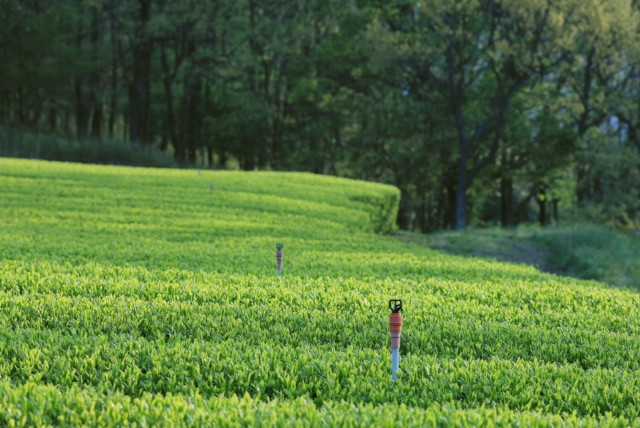
On top of this natural protection comes carefully controlled artificial shading, essential for ceremonial matcha. Depending on the grade (C, B or A), the tea bushes are shaded at 70% to 95% for a longer or shorter period, to intensify the chlorophyll, sweetness and aromatic depth.
Ceremonial C: shorter shading, 15 to 20 days
Ceremonial B: shading for 20 to 25 days
Ceremonial A: extended shading, 25 to 30 days
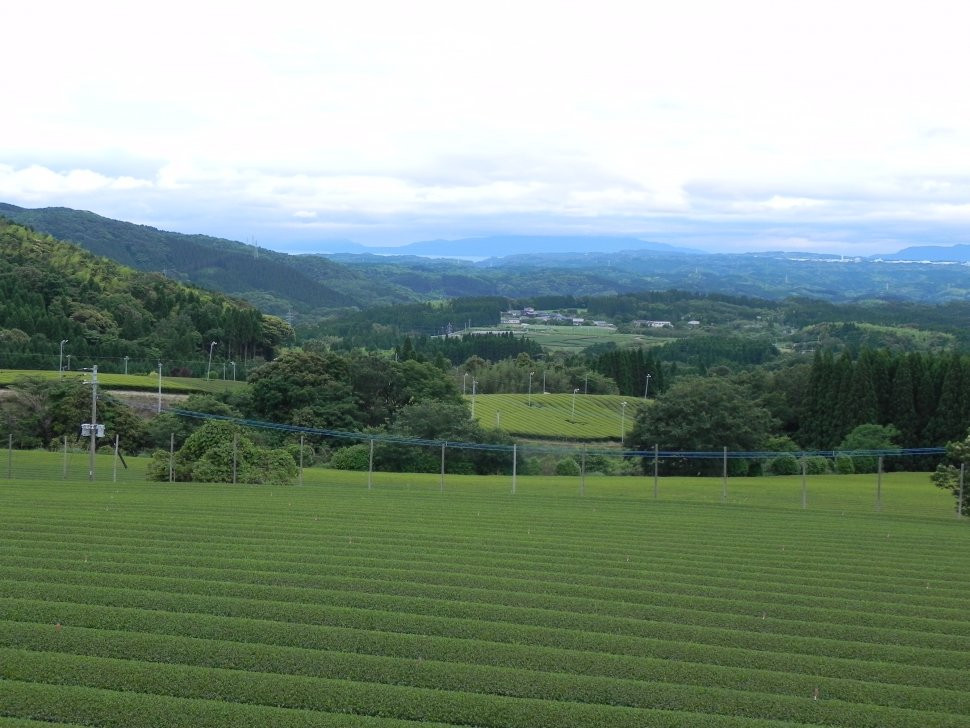
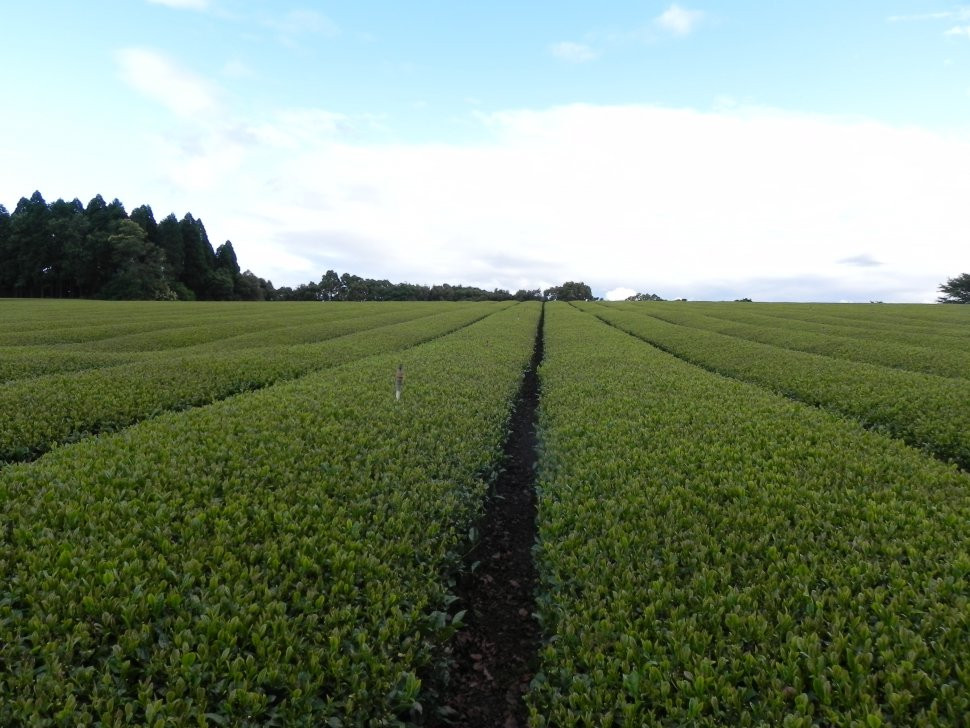
Kagoshima's subtropical climate, with plenty of sunshine and abundant rain, lets the tea bushes thrive in ideal conditions. The soil, meanwhile, is rich in minerals thanks to past volcanic activity, which further enriches the tea's aromatic profile.
💧 Mineral spring water, the farm's natural treasure
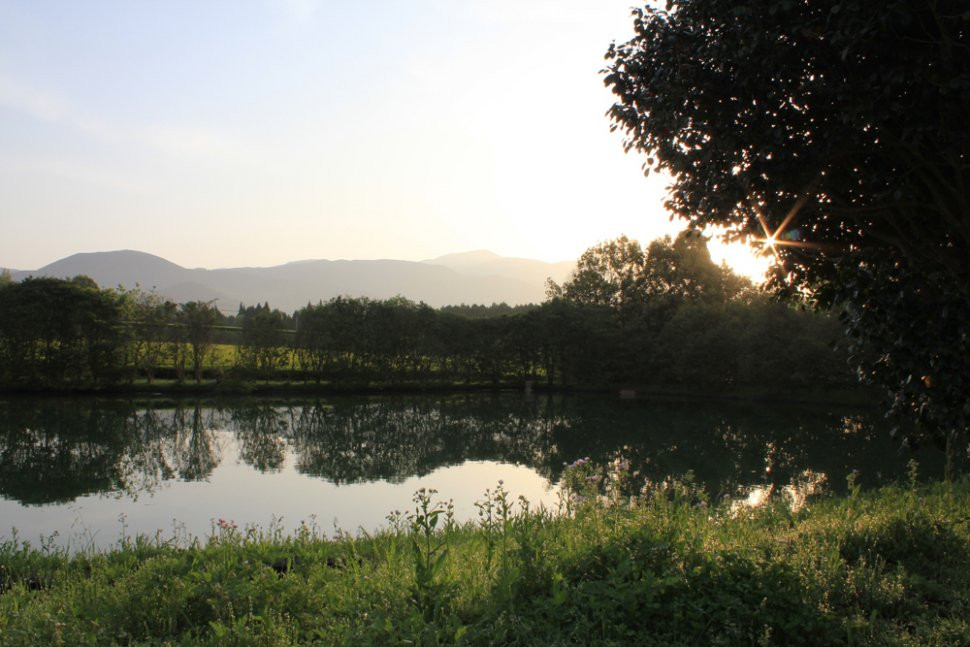
The farm has several reservoirs of mineral-rich spring water, used to grow and process the tea. This pure water is even used during the steaming stage, which intensifies the green colour of the leaves and contributes to the final quality of the matcha.
🌱 Authentic organic farming, with no compromise
Here, organic is not a trend: it's a strict discipline. The farm is certified to JAS (Japanese Agricultural Standards), one of the most demanding certifications in the world. This means:
zero pesticides
zero chemical fertilisers
zero GMOs
rigorous annual inspections
full traceability
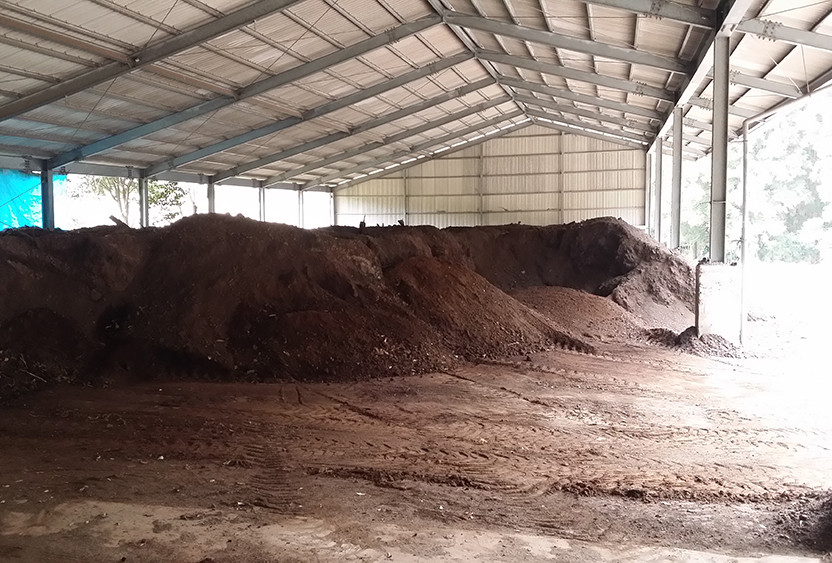
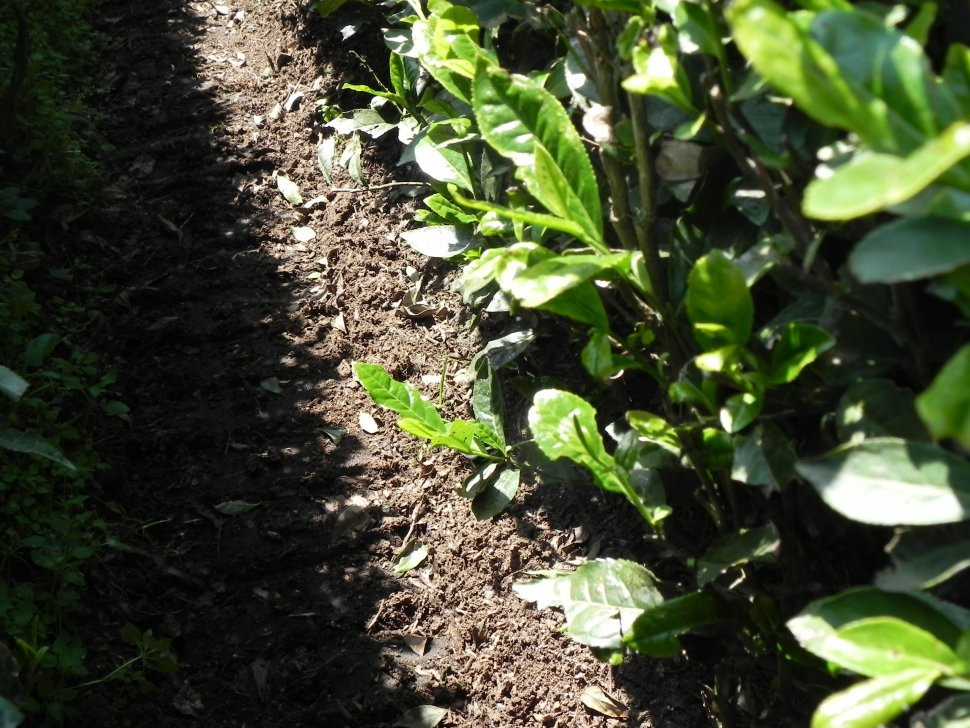
Even fertilisers permitted in organic farming are deliberately avoided. The producer makes his own compost, from wild plants, leaves, wood and mountain soil. He leaves it to ferment for four years — whereas most farms settle for just one.
This long, meticulous process creates a living soil, rich in micro-organisms, that nourishes the tea bushes deeply.
🐞 A living ecosystem: nature as an ally
Without pesticides, the farm has developed an ecosystem where beneficial insects thrive and naturally keep pests in check. In summer, when pests are most active, biodiversity plays an essential role.
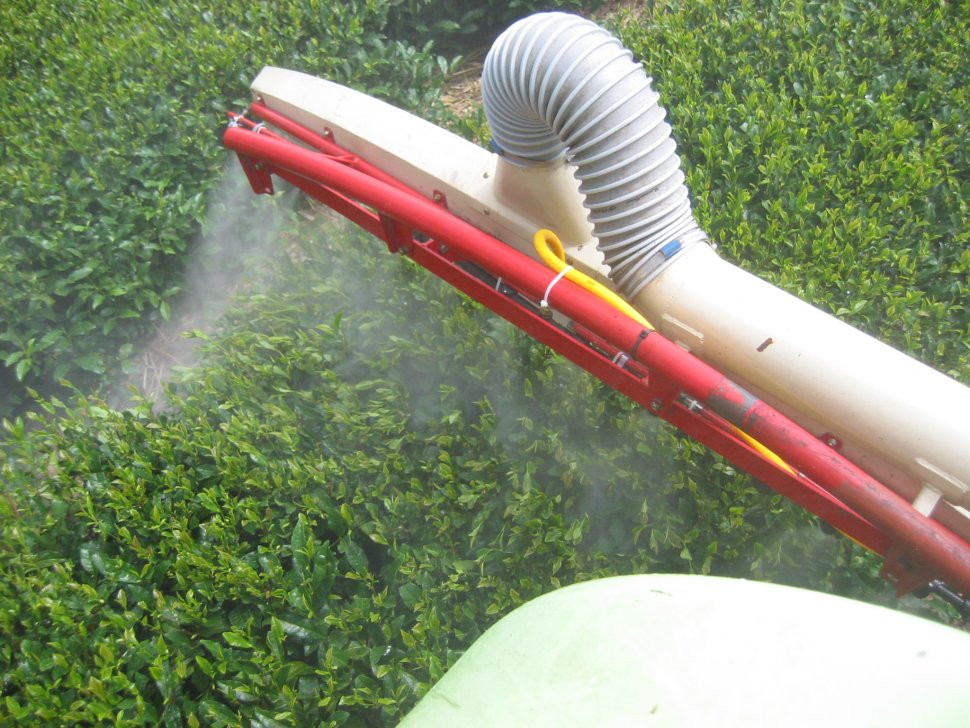
And when that isn't enough, the workers use an ingenious method: a device combining a powerful air blast and a water jet to dislodge insects without damaging the leaves.
🌿 More mature tea bushes for a richer matcha
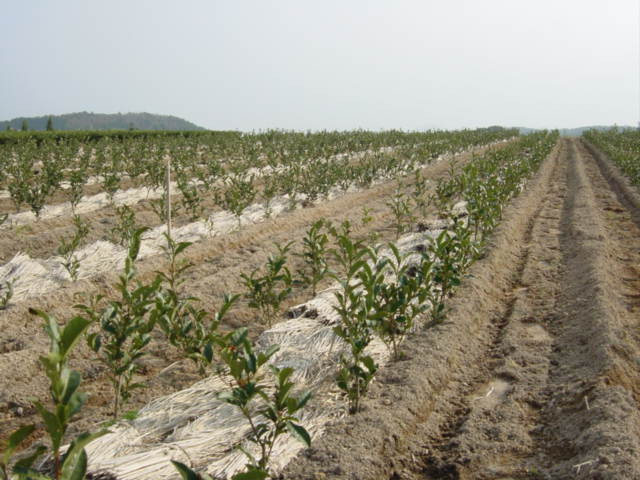
While most producers harvest from the third year, this one waits five years before picking the first leaves. Why? Because deeper roots give:
hardier plants
better nutrient absorption
a richer, more complex taste
You can taste this patience in every cup.
🎋 Processing: mastering tencha and particle size
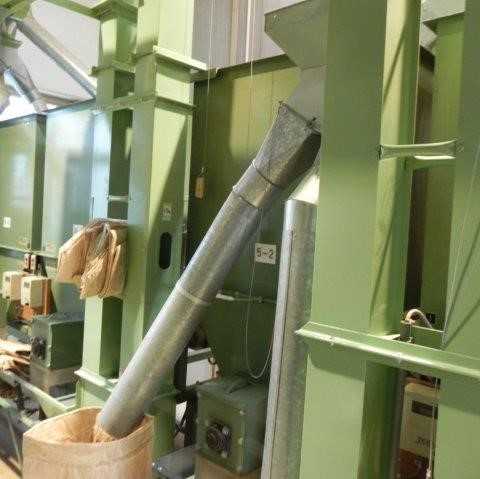
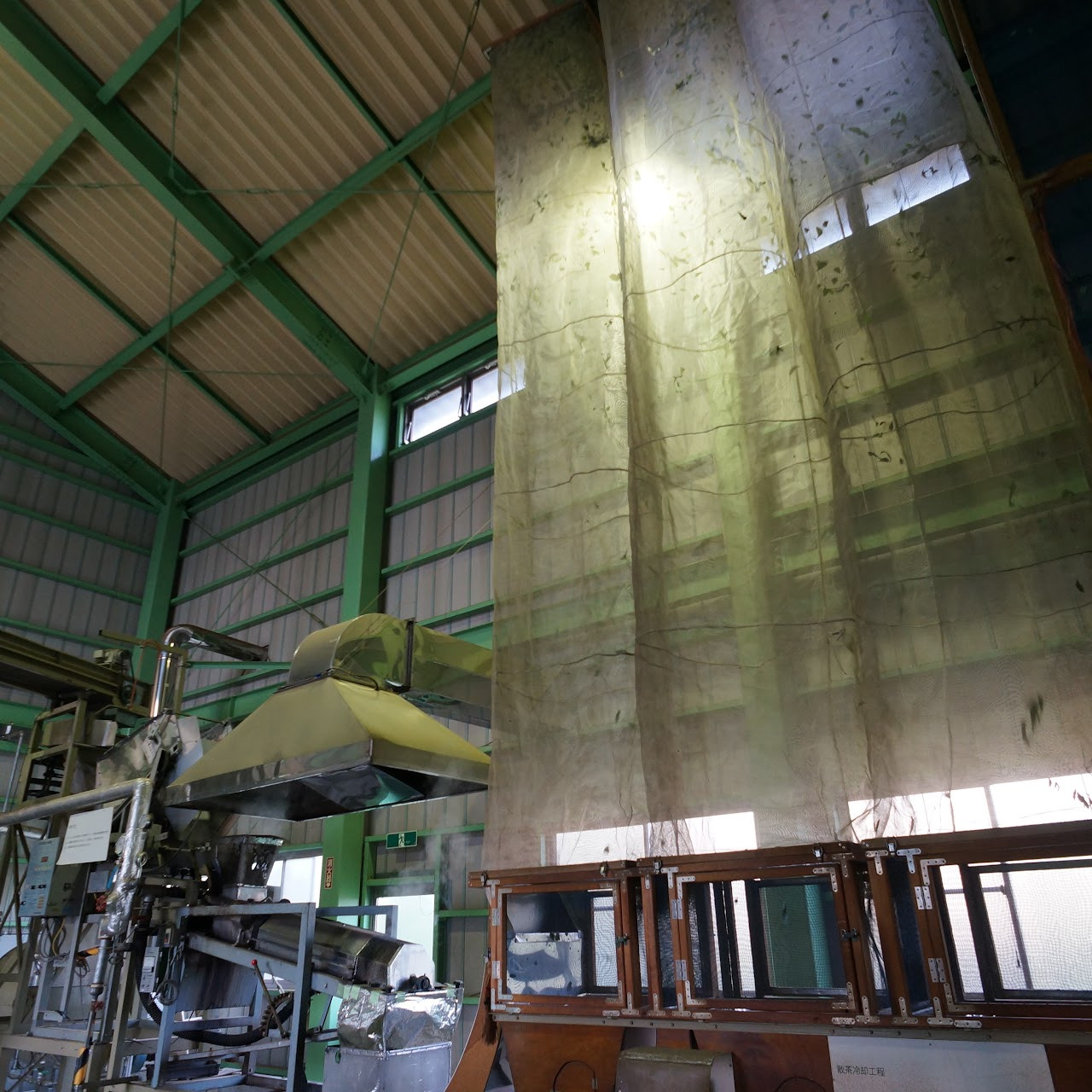
Processing follows the most demanding Japanese standards:
brief steaming to stop oxidation
controlled drying to stabilise the volatile compounds
optical sorting to remove fibres
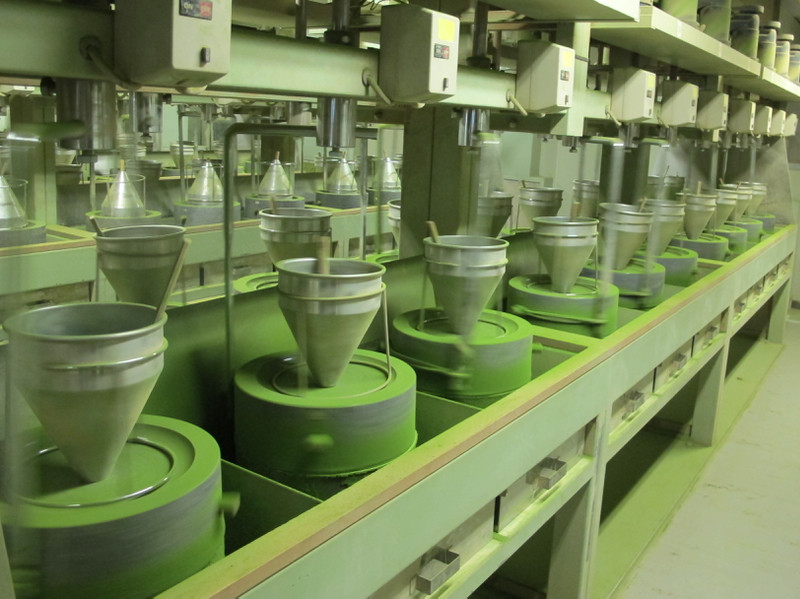
stone grinding (40–60 g/h), ensuring an ultra-fine powder
This fineness improves:
solubility
mouthfeel
dispersion in water
foam stability
🍃 Why this producer?
Because he embodies exactly what we want to offer: a matcha that is pure, safe, respectful of nature, and produced with almost obsessive standards.
It's not just tea. It's know-how. A heritage. A commitment.
And that's what makes all the difference in your cup. exceptional matcha
Matcha, Organic Ceremonial C (ORGANIC)FromCHF 21.00Buyorigin of matcha
Matcha, Organic Ceremonial A (ORGANIC)FromCHF 38.00Buyorganic matcha from Japan
Matcha, Organic Ceremonial B (ORGANIC)FromCHF 24.00Buymatcha farm in Kagoshima