Everything you need to know
What is matcha?
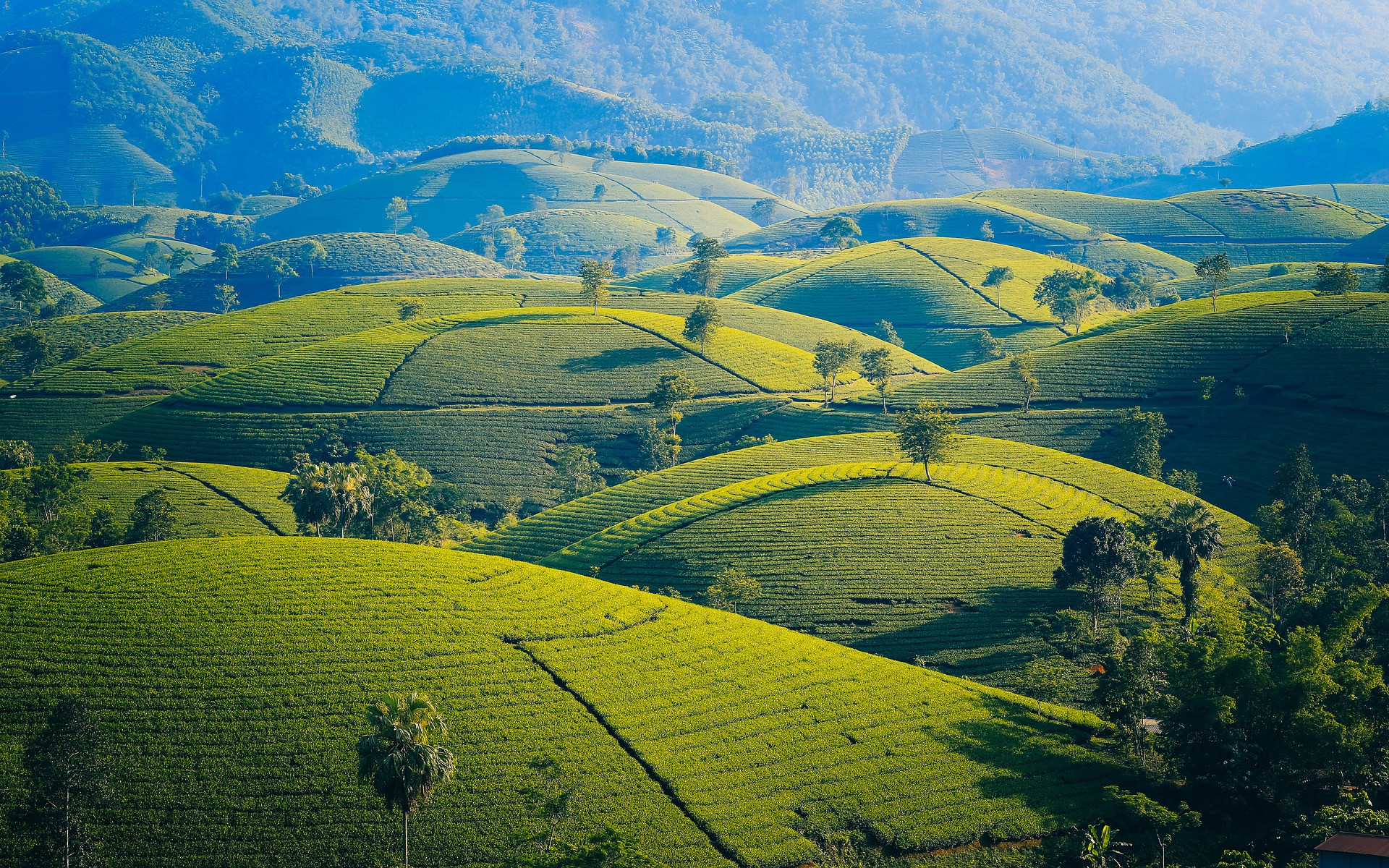
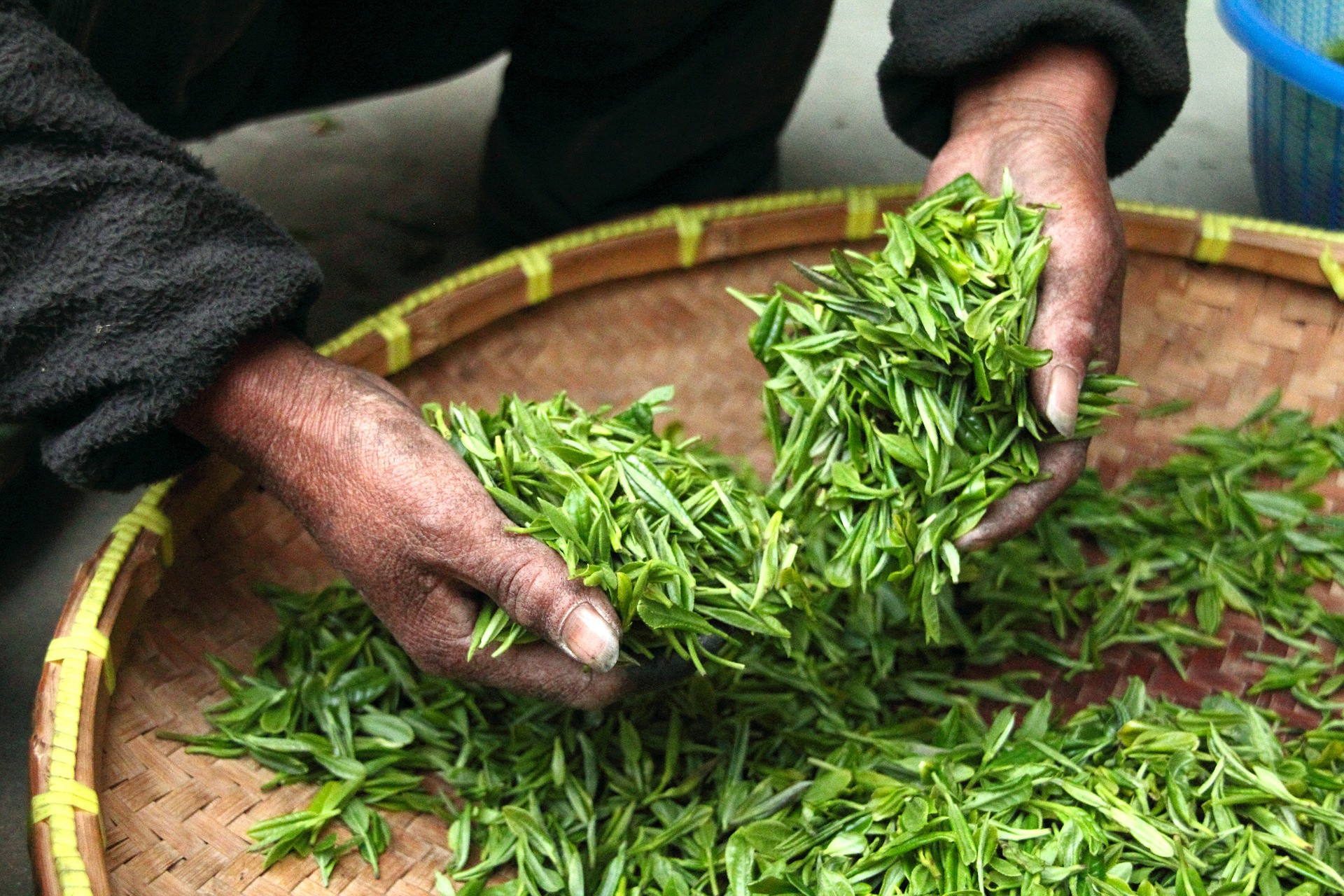
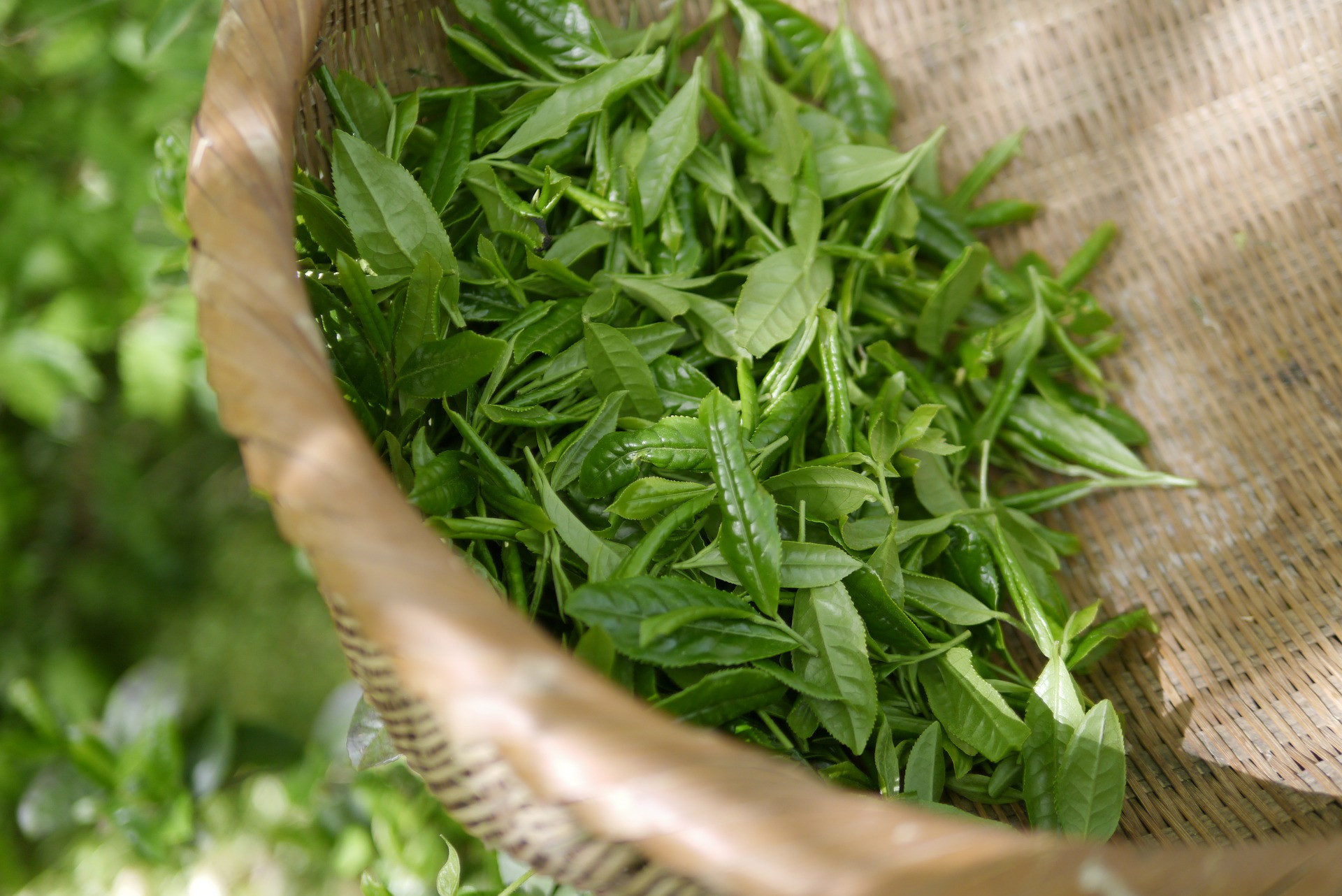
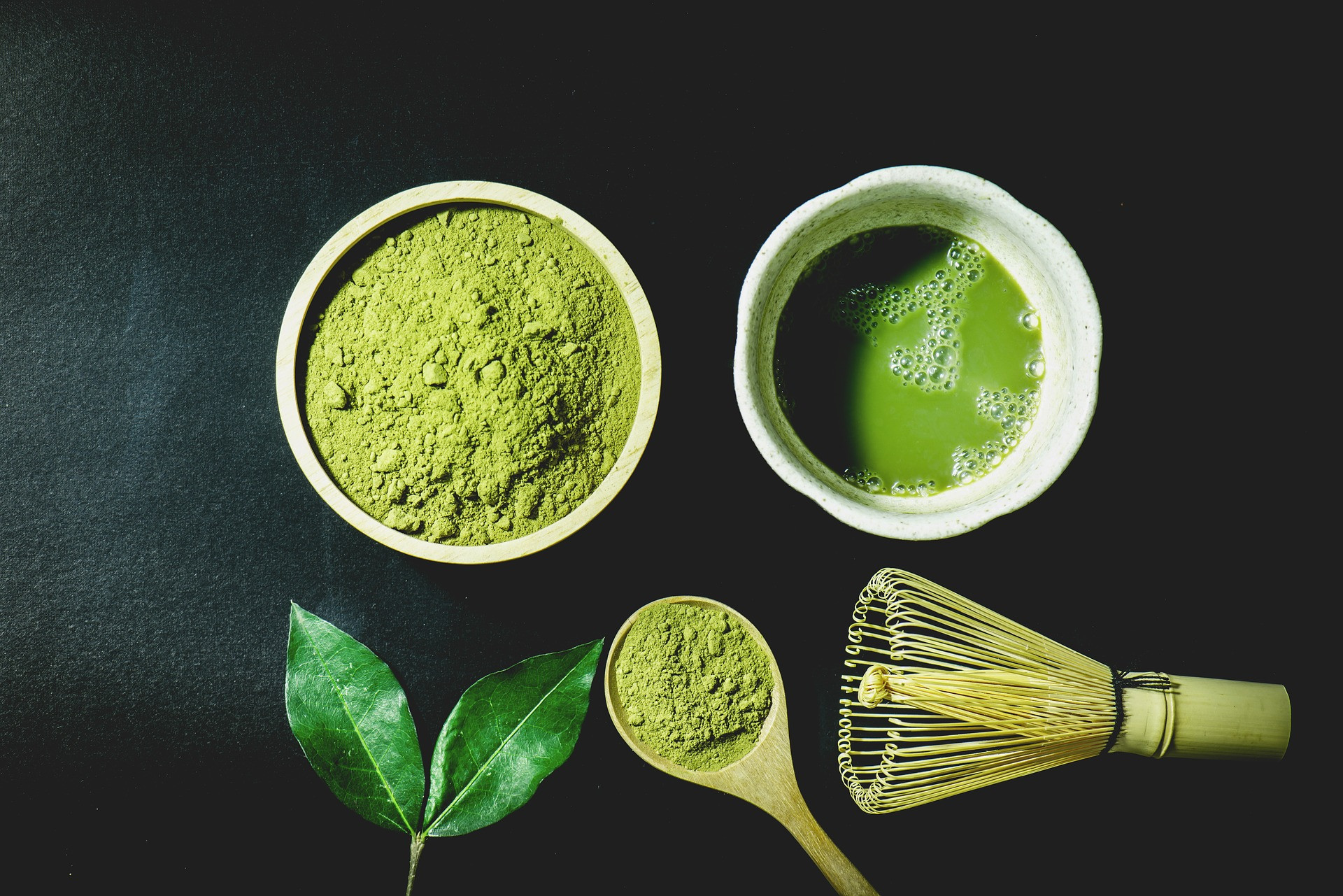
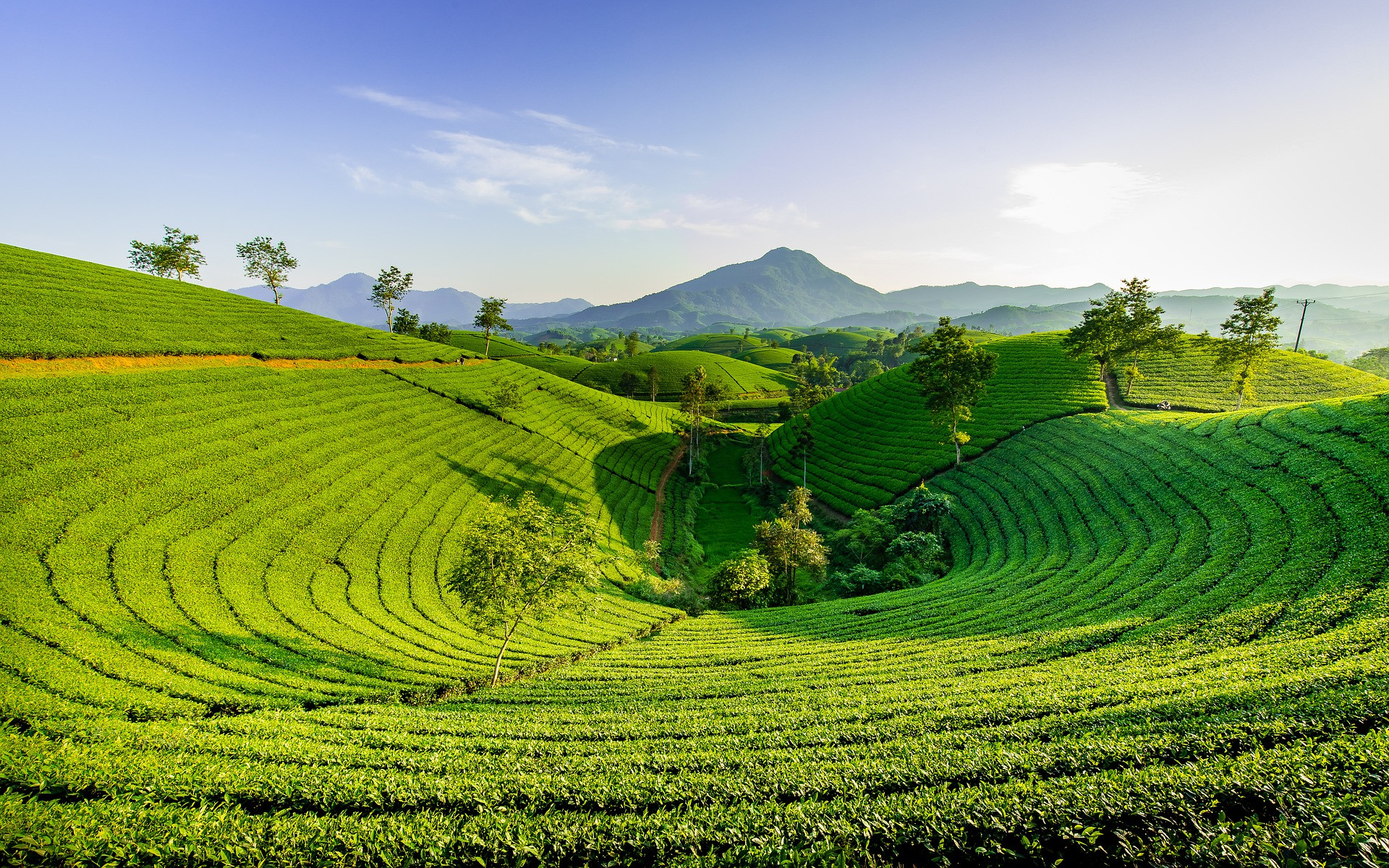
Matcha is a fine, green powder made from exceptional tea, traditionally used in the tea ceremony. Great care goes into growing the plant. A few weeks before the harvest, the tea bushes are covered to protect them from direct sunlight. This slows the plant's growth, darkens its leaves and boosts the production of amino acids, which soften the taste of the tea and raise its catechin content. These young tea leaves (called "tencha") are then dried and ground into a very fine, bright green powder: matcha.
From Chinese origins to Japan
History
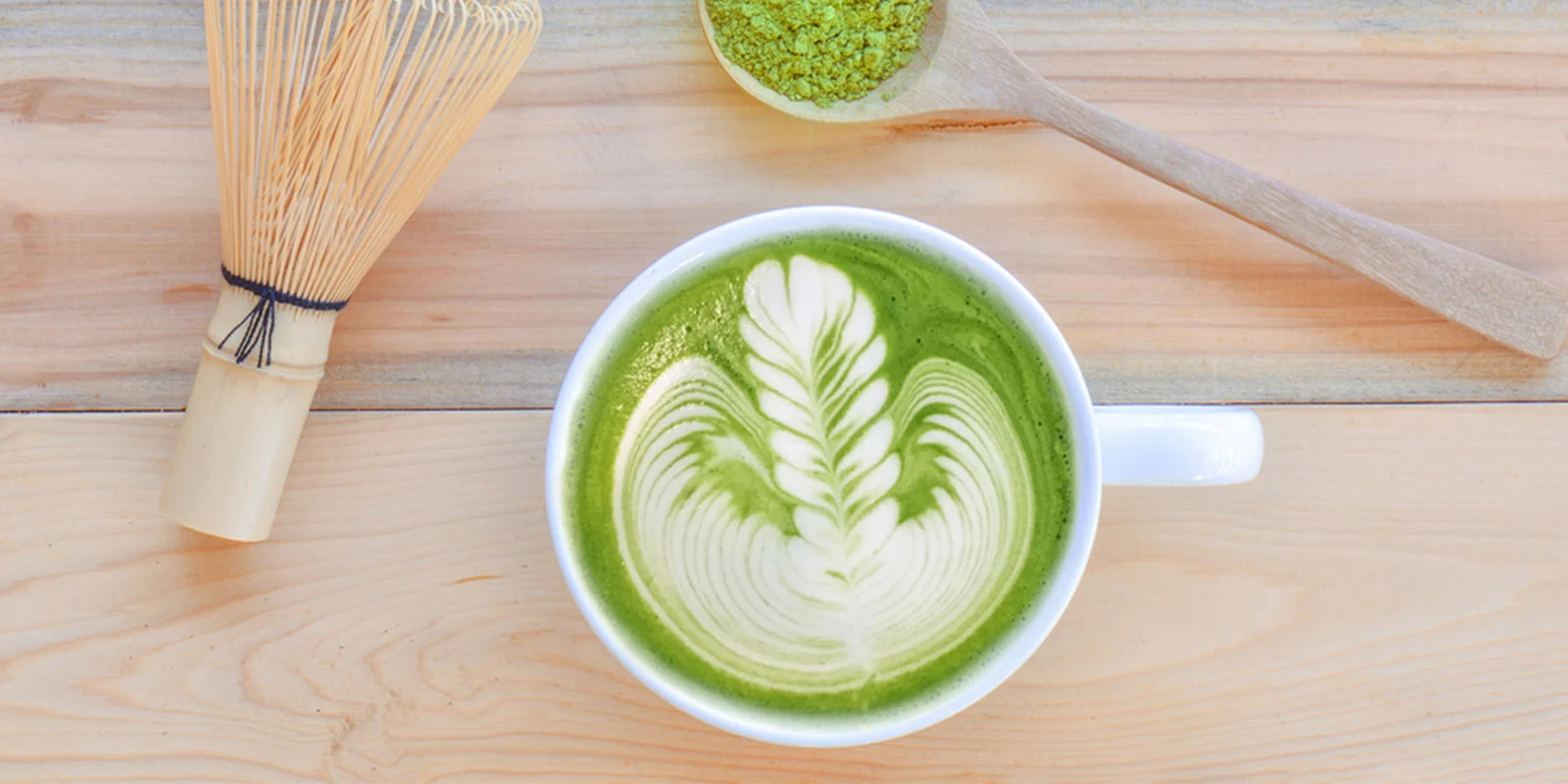
Contrary to popular belief, powdered tea was invented in China during the Song dynasty (960-1279). Preparing and drinking this tea became a ritual under the influence of Chan Buddhists, who drank it from a shared bowl as a sacrament. Matcha utensils: the tea bowl (chawan), the small whisk (chasen) and the scoop (chashaku)
Chan Buddhism (also known by its Japanese name, Zen), and with it powdered tea, was brought to Japan in 1191 by the monk Eisai. Powdered tea was later forgotten in China, while it became popular in Japan. In the 16th century, the tea master Sen no Rikyū set out the principles of chanoyu, the Japanese tea ceremony, and established matcha as the tea to be used in it.
Today
Uses
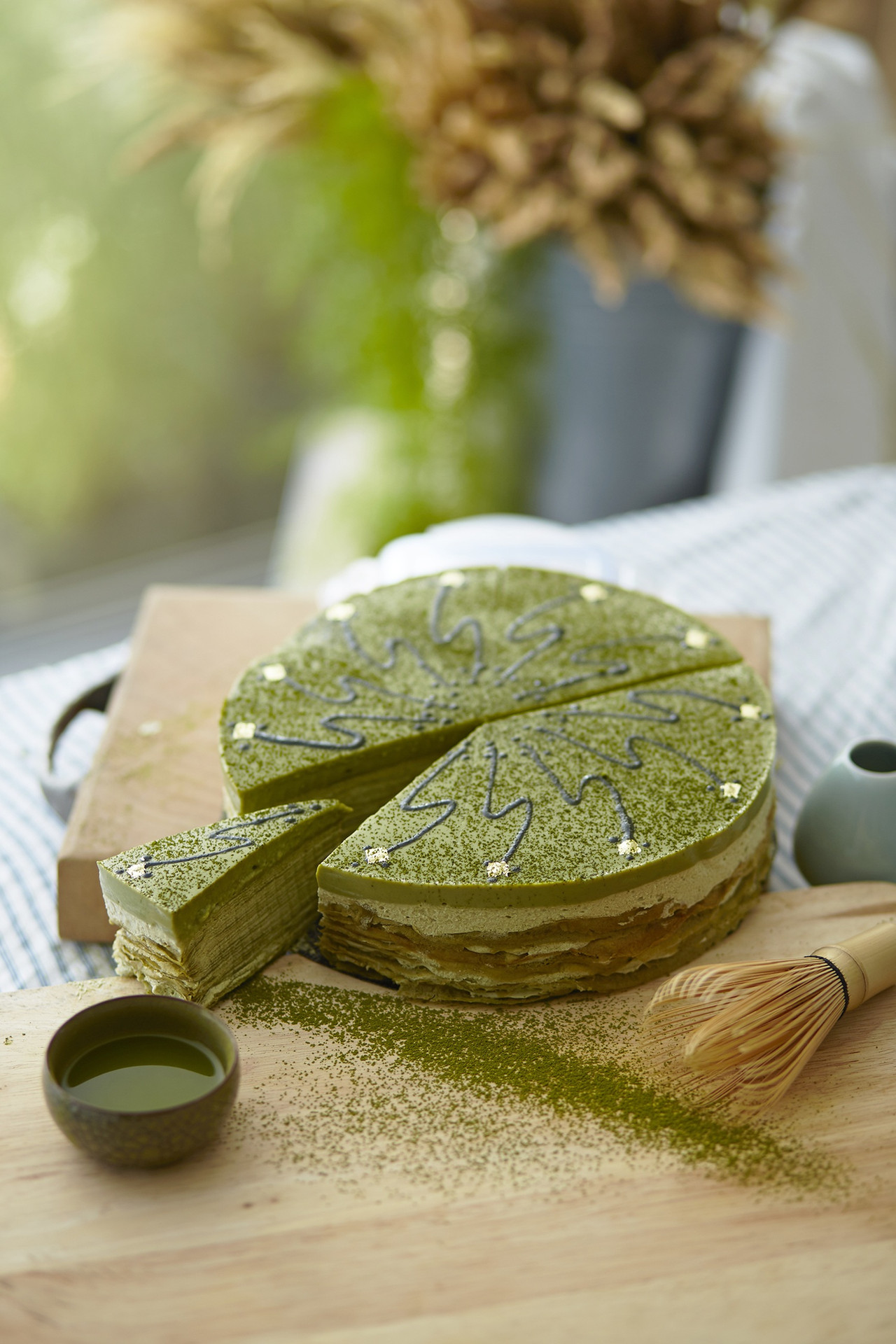
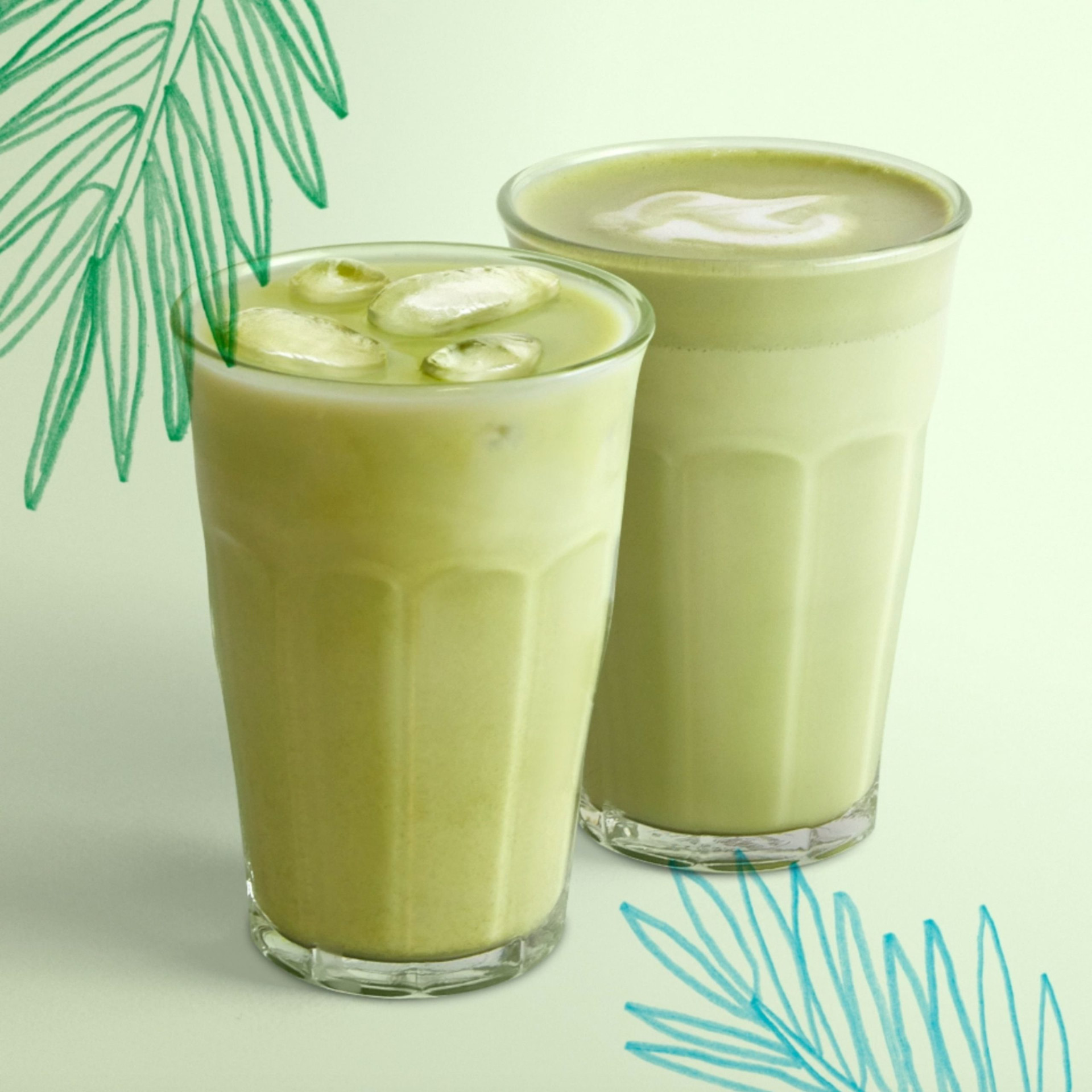
Matcha is now a common ingredient in Japanese cuisine. It is used in many dishes and drinks, and also as a garnish. It is also used to flavour chocolates, sweets, cakes (biscuits, puddings and more) and ice cream. The use of matcha in modern drinks has only recently spread to Western cafés. It is still little known to the general public and is just waiting to be discovered.
In pictures
The world of matcha