Discovering the captivating origins of matcha tea
Introduction
With its vibrant colour and rich flavour, matcha tea has become a must-have trend in the world of drinks and cooking. But where does it come from? What is the story behind this mysterious green powder? In this article, let's dive into the captivating origins of matcha tea and discover its fascinating journey through time.
The cradle of matcha: China
Yes, big surprise: many people think matcha originated in Japan, but it was in China that matcha tea first appeared.
The first traces of sencha tea cultivation appeared under the Tang dynasty, in 618-969.
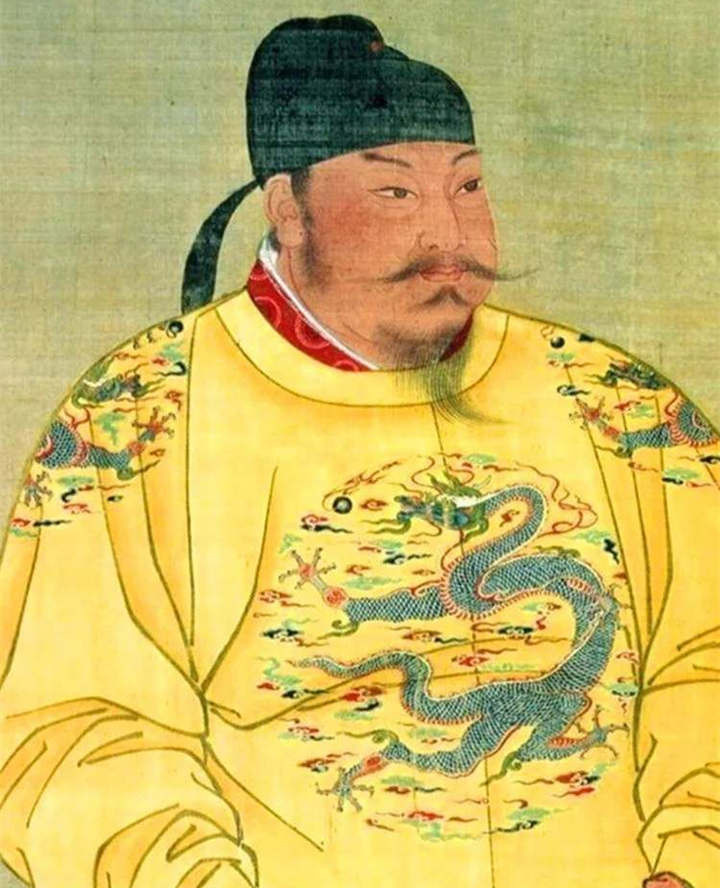
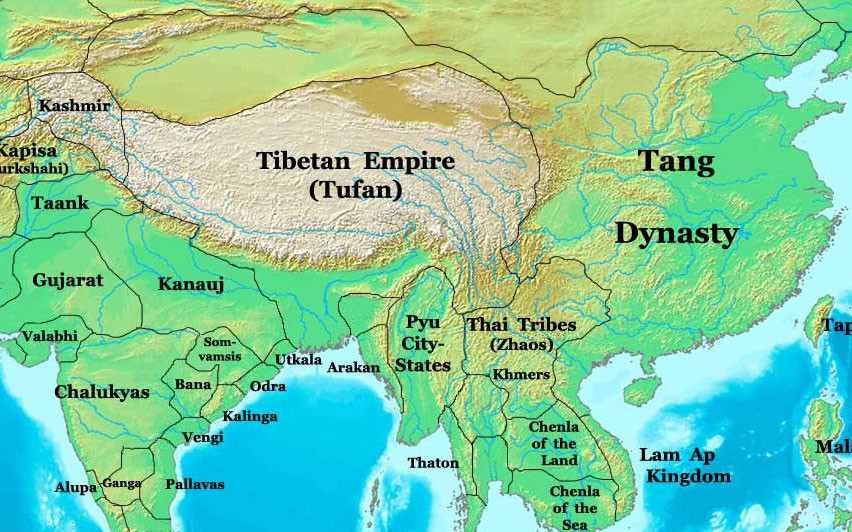
One of the Tang emperors, map of the Tang empire 618-969
It then became widespread under the Song dynasty, in 960-1279.
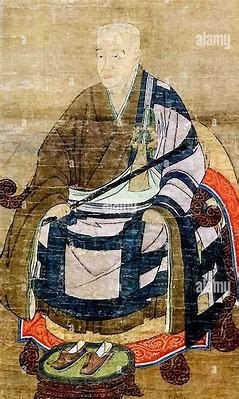
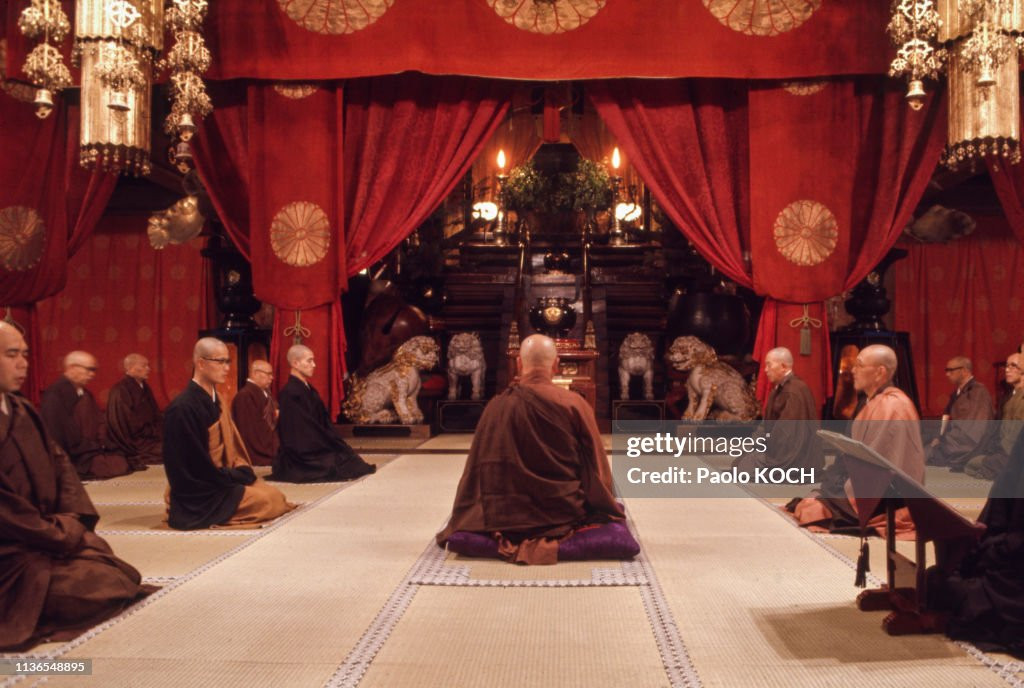
During the Song dynasty, tea was introduced to Japan by Zen Buddhist monks. They played a crucial role in bringing matcha tea into Japanese culture.
In the 12th century, it was a Zen monk named Eisai, to be precise, who brought tea seeds from China to Japan and began growing them in monasteries. These monks discovered that shade and the slow growth of the tea leaves produced a unique flavour and texture.
The birth of the matcha-making process
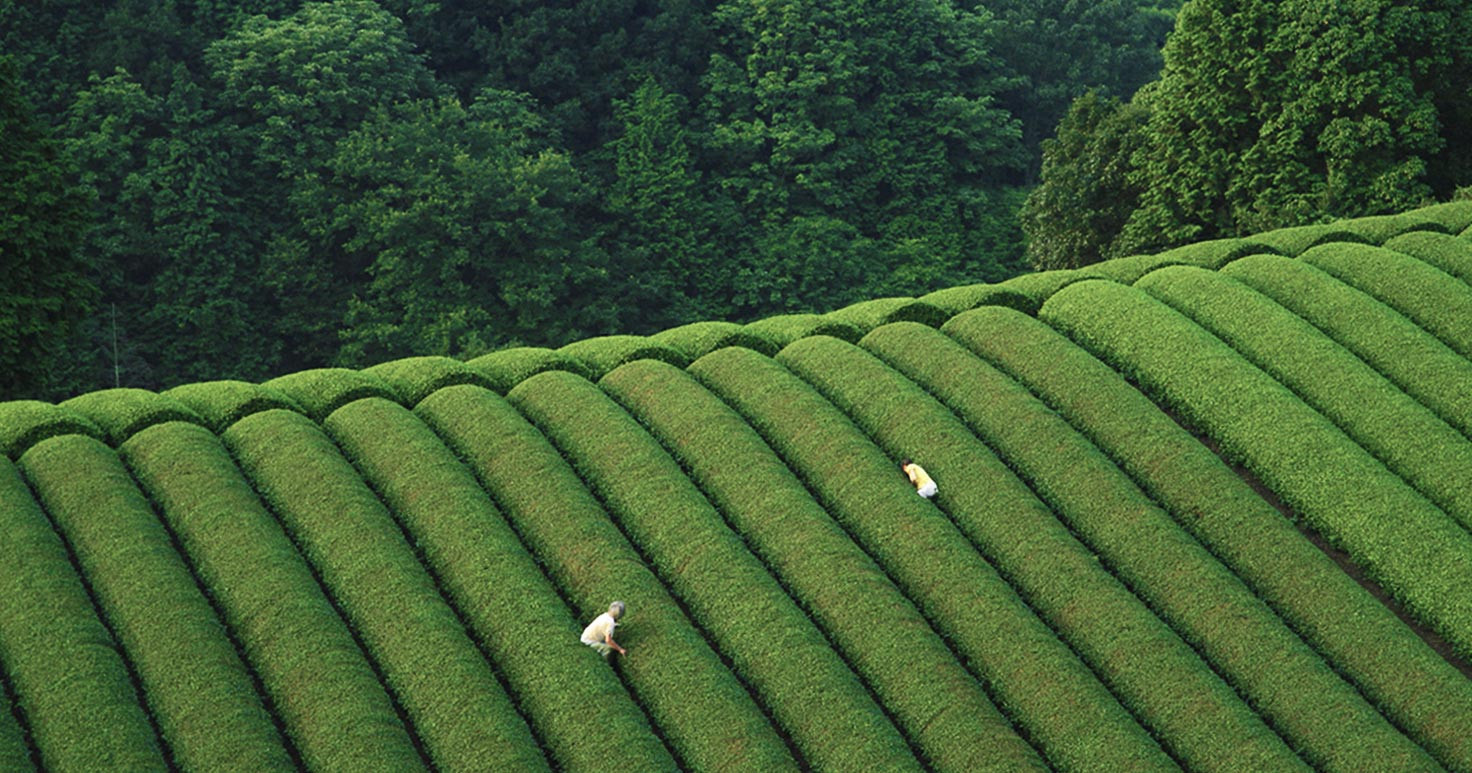
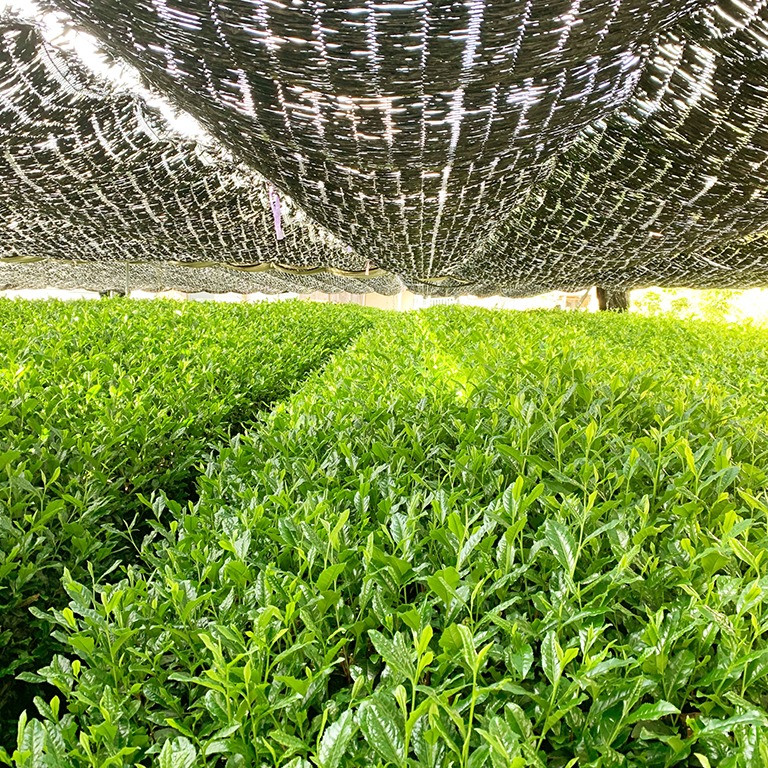
The way matcha is made is what sets it apart from other teas. Before the harvest, the tea bushes are shaded for several weeks.
This practice increases the production of chlorophyll and other compounds in the leaves, giving matcha its characteristic green colour and mild flavour.
After harvesting, the leaves are steamed to prevent oxidation. They are then dried and de-veined, leaving only the most
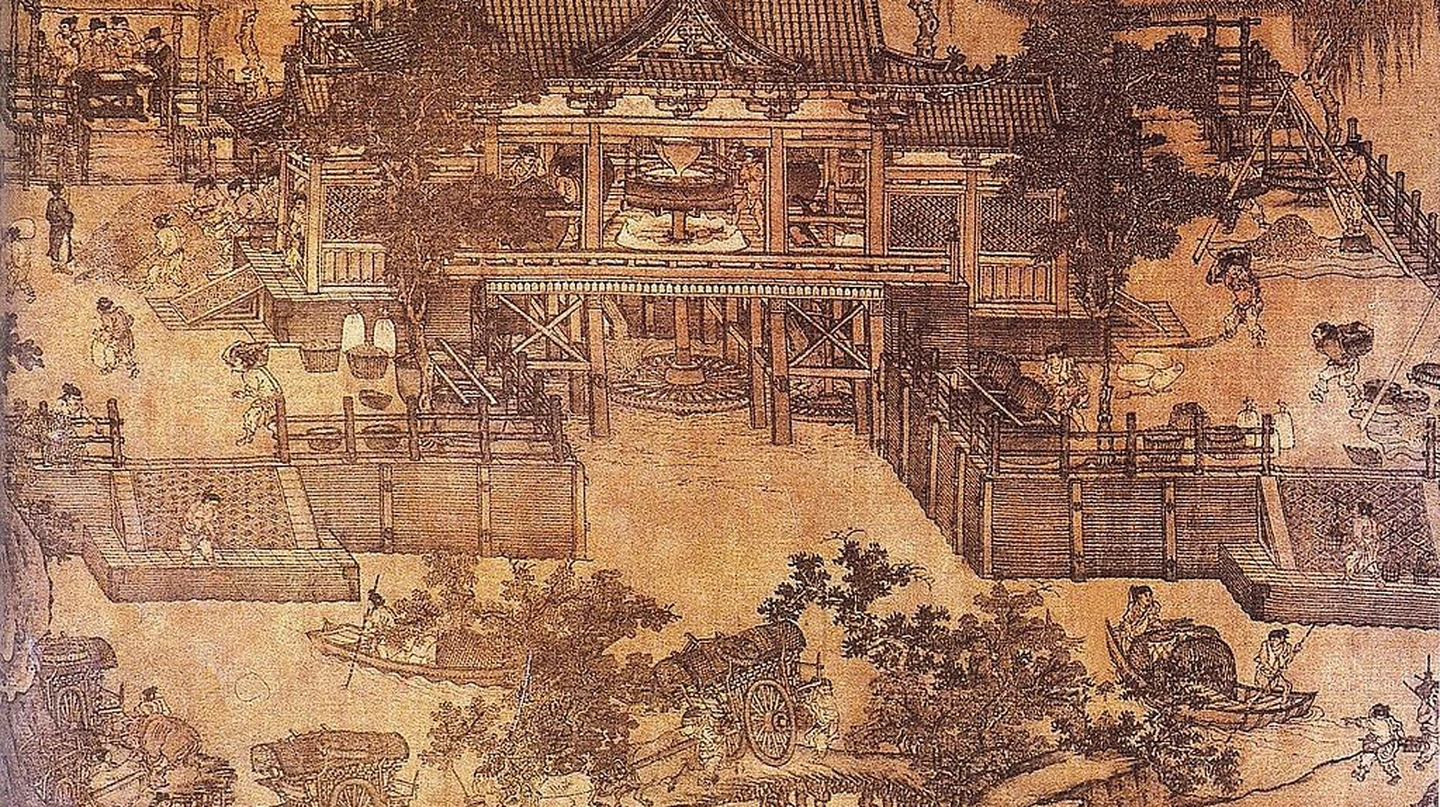
tender parts of the leaves. These leaves are then carefully ground in stone mills to obtain a fine powder: matcha.
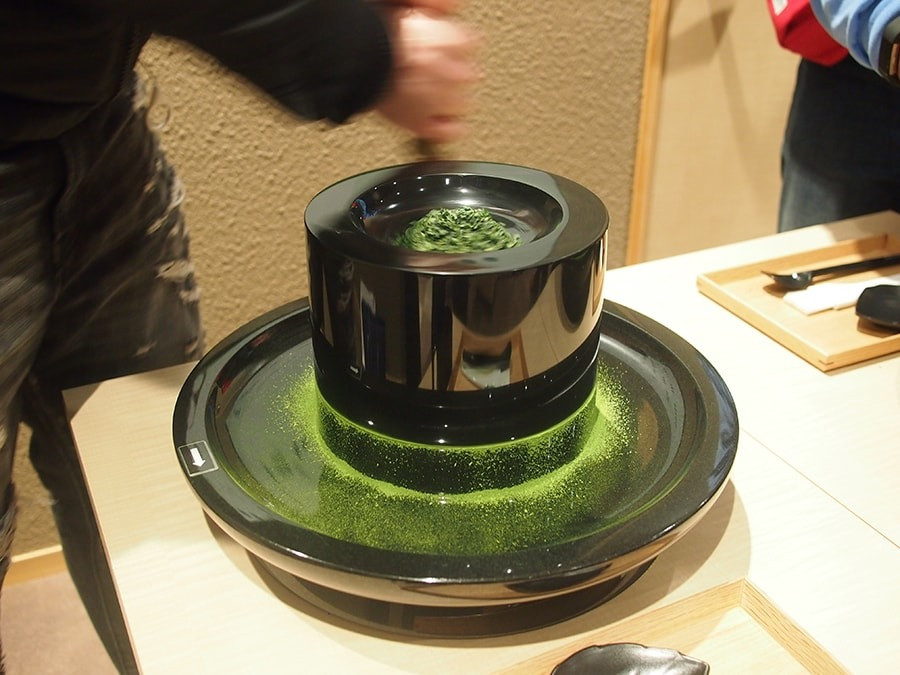
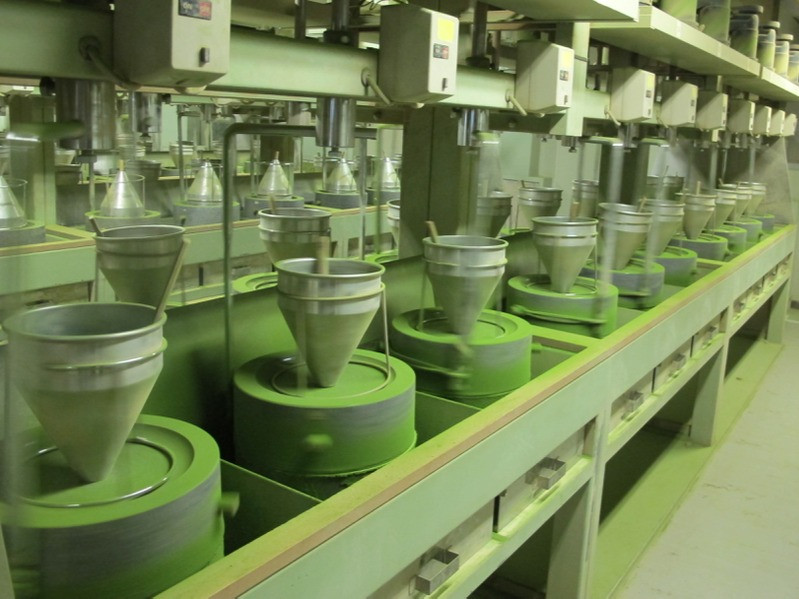
Traditional hand-operated stone mill, mechanised stone mill
Its role in the Japanese tea ceremony
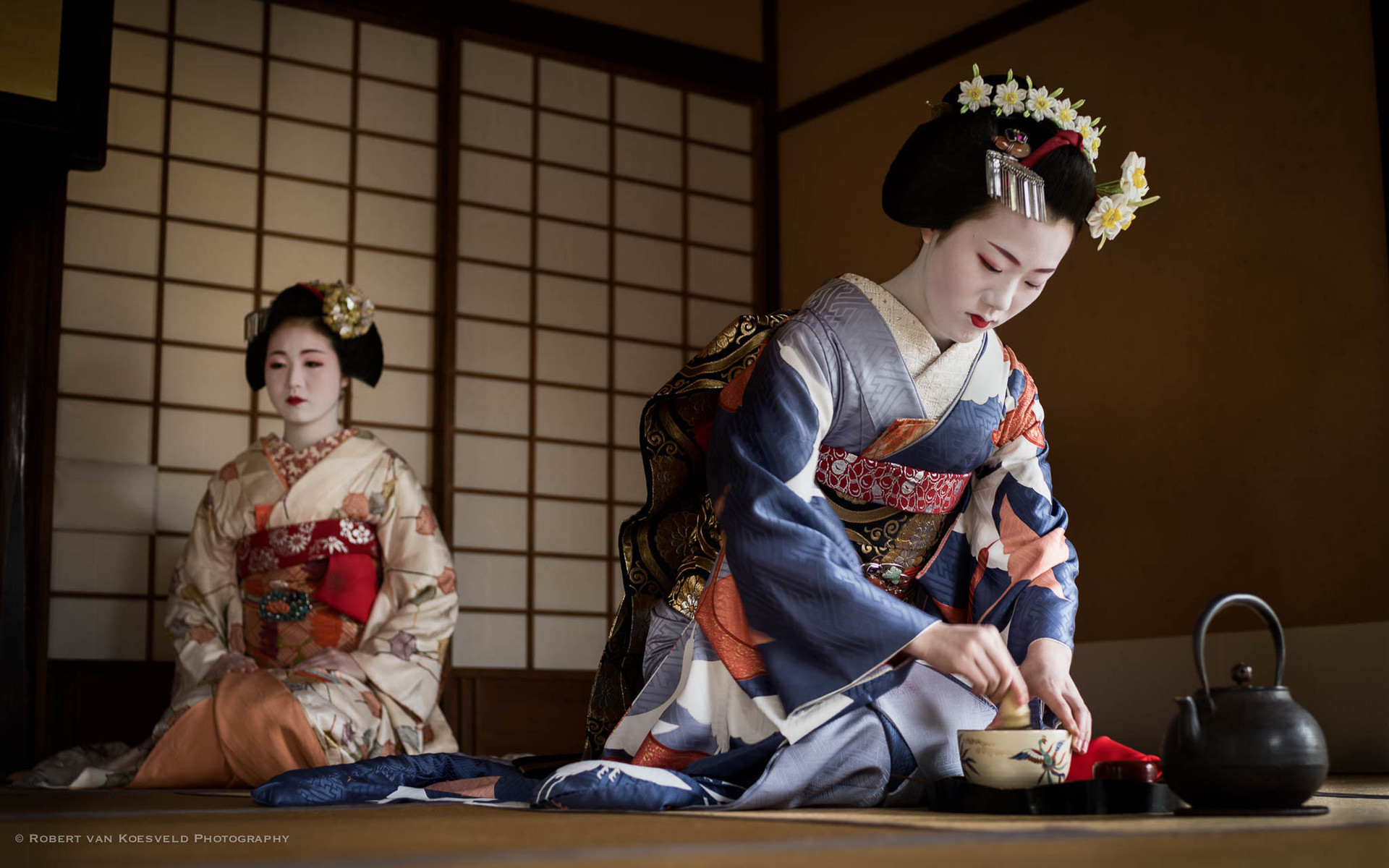
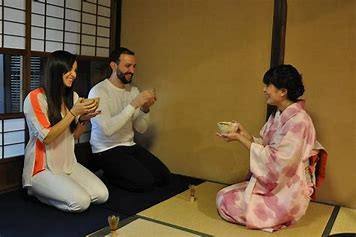
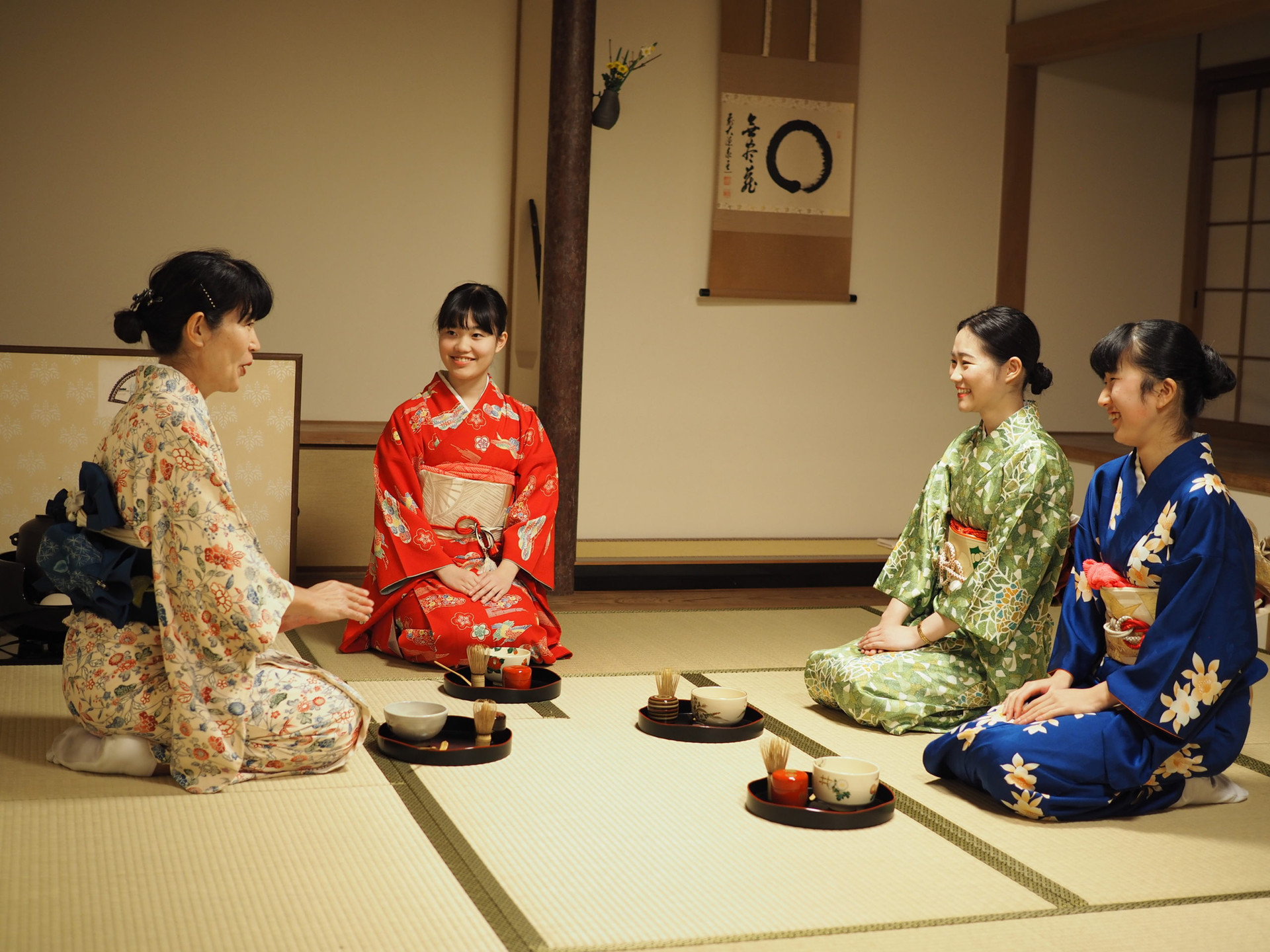
Matcha tea grew in importance through its connection with the Japanese tea ceremony, also called "chanoyu" or "sado". Over the centuries this ceremony has evolved into a refined art form, emphasising respect, tranquillity and harmony. Matcha is prepared and offered to guests in a setting steeped in ritual and symbolism.
The modern rise of matcha
Over the centuries, matcha has gone from a drink reserved for the Japanese elite to a global drink appreciated for its unique flavour and health benefits. Cafés and restaurants around the world have added it to their menus in many forms, from matcha lattes to matcha pastries.
Conclusion
Matcha tea is much more than just a drink. It is a window onto Japan's fascinating history, onto the Zen monks who preserved its secrets and the traditions that shaped it over the centuries. Today, matcha continues to delight palates around the world, while humbly recalling its modest origins in Japan's Buddhist monasteries.