Have you ever wondered whether your child can have matcha?
Can your teenager drink matcha tea?
Children want to do everything their parents do: if you drink matcha regularly, they will probably want to copy you. Your child may even already be drinking matcha, and you're wondering whether it's good for them?

In this article, we explain the following about the age at which you can drink matcha:
From what age is it reasonable to drink matcha?
How much theine is recommended for adults and children?
Recognising the symptoms of too much theine.
Overview table of caffeine content in common drinks.
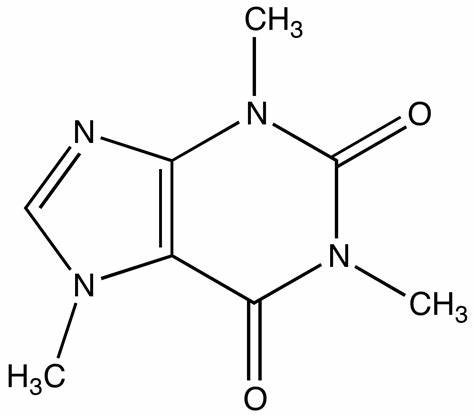
First of all, it's important to know that the caffeine molecule is the same as the theine molecule.
This article bases its figures on Health Canada and the recommendations made by the Canadian government.
Children aged four to six should not have more than 45 mg of caffeine per day, about one 355 ml can of cola per day
For teenagers aged 13 and over, it is recommended not to exceed 2.5 mg of caffeine per kilogram of body weight.
So if your teenager weighs 55 kg, their caffeine intake should not exceed 137.5 mg per day.
Matcha, for its part, contains 100 mg of caffeine per 3,200 g. And as a cup of matcha uses about 1.5 g, it contains about 48 mg of caffeine.
That is more than the recommended intake for children aged 4 to 6 according to Canadian guidelines.
If these guidelines are applied to the letter, we can conclude that your 13-year-old weighing about 55 kg can have a daily caffeine dose of 137.5 mg, or 2.86 cups of matcha per day, while staying within the guidelines.
Beyond the figures, the most important thing is of course to listen to your body and respect it, as everyone reacts differently to caffeine.
In any case, if you have too much caffeine, here is a list of symptoms:
Headaches;
Irritability;
Nervousness;
Anxiety;
Tremors;
Insomnia.
High caffeine consumption can lead to these side effects.
In rare cases, serious complications such as hallucinations and seizures can occur.
Theine temporarily reduces drowsiness and fatigue, which is generally what people want from it. However, be careful: if you take it every day, it will gradually become less effective. This creates a vicious circle in which you have to increase the dose to keep the same effect.
In conclusion
"There's no real age limit for drinking matcha"
But based on the various health authorities, we recommend waiting until adolescence.
To conclude, here is an overview table of the caffeine content of common drinks.
Sources of caffeine
The following table can help you estimate your daily caffeine intake. Use it to assess how much caffeine is in the foods you consume regularly.
Approximate caffeine content of various products
Per can (355 mL)
Cola 37-38 mg
Diet cola 25-50 mg
Iced tea 14-32 mg
Per serving
Milk chocolate (28 g) 7 mg
Chocolate cake (80 g) 36 mg
Chocolate pudding (145 g) 9 mg
Meal replacements (e.g. chocolate Ensure or Boost drink) 3-6 mg
Per tablet or capsule
Pain-relief medication 15-65 mg
Stimulant medication 100-200 mg